Interests/specialties:
Email: mosse@chop.edu
Phone: 215-590-0965
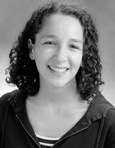
Dr. Yael P. Mossé is a tenured Professor of Pediatrics at the Perelman School of Medicine at the University of Pennsylvania and an attending physician at Children’s Hospital of Philadelphia, where she holds the Patricia Brophy Endowed Chair in Neuroblastoma Research. Her clinical and research focus is neuroblastoma, a cancer of the developing sympathetic nervous system that primarily affects infants and young children. She received her M.D. from the Sackler School of Medicine, Tel Aviv University, in 1997, subsequently completing pediatric residency and fellowship training in pediatric hematology/oncology at Children’s Hospital of Philadelphia. For more than two decades, she has pursued a career as a physician‑scientist dedicated to improving outcomes for children with neuroblastoma while using this disease as a model to understand the fundamental biology of cancer.
A distinguishing feature of Dr. Mossé’s work is its deeply translational nature, seamlessly integrating mechanistic studies in the laboratory with early‑phase and definitive clinical trials. She led the seminal discovery that gain‑of‑function mutations in the tyrosine kinase domain of the Anaplastic Lymphoma Kinase (ALK) gene are the major cause of hereditary neuroblastoma and that the same alterations represent the most common somatic single‑nucleotide mutations in sporadic disease, establishing ALK as the first and only recurrently mutated, tractable oncogenic driver in neuroblastoma. Building on this discovery, and in collaboration with the Children’s Oncology Group and Pfizer, she led a large, molecularly driven phase 1/2 clinical trial of the ALK inhibitor crizotinib that opened to enrollment within one year of the initial Nature report of ALK mutations in neuroblastoma. She subsequently directed the nonclinical and clinical development needed to secure FDA approval of crizotinib as the first ALK inhibitor for pediatric patients with relapsed ALK‑fusion–positive anaplastic large cell lymphoma (2021) and unresectable or relapsed/refractory ALK‑fusion–positive inflammatory myofibroblastic tumors (2022). ALK inhibition has now moved into the upfront treatment paradigm in a current Children’s Oncology Group phase 3 trial for newly diagnosed high‑risk neuroblastoma, initially using crizotinib and more recently incorporating lorlatinib as the ALK inhibitor of choice.
In parallel with these clinical advances, Dr. Mossé’s laboratory continues to define de novo and acquired mechanisms of resistance to ALK inhibitors and to develop next‑generation strategies to overcome them. Her group is pioneering immunotherapeutic approaches to target cell‑surface ALK, which is expressed on the majority of neuroblastomas and on select other pediatric and adult cancers, including antibody‑based and cellular therapies designed to provide durable immune surveillance. These efforts support the long‑term goal of her research program: to develop innovative therapeutic strategies that effectively inhibit ALK‑mediated signaling and exploit ALK expression in neuroblastoma and other ALK‑driven or ALK‑expressing childhood cancers. As the program has expanded, her team has broadened its scope to target additional critical vulnerabilities in neuroblastoma and other pediatric malignancies, with a particular emphasis on leveraging targeted protein degradation technologies through a Cancer Grand Challenges, multidisciplinary, multi‑institutional international award. Through this work, she has also built a highly collaborative training environment that has launched a generation of physician‑scientists and translational investigators who are now leading childhood cancer research programs worldwide.