
Interests/specialties:
Resources:
Email: saurabh.mehandru@mssm.edu
Phone: 212-659-9206
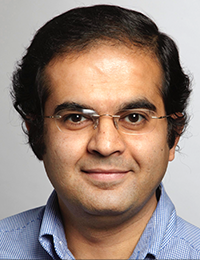
Saurabh Mehandru is a mucosal immunologist, a practicing gastroenterologist, and Professor of Medicine at the Icahn School of Medicine at Mount Sinai, where he directs the Helmsley IBD Research Center and serves as Associate Chief of Research in Gastroenterology. His research focuses on mucosal immunopathology associated with viral infections and inflammatory bowel diseases (IBD).
Dr. Mehandru graduated with honors from medical school at the University College of Medical Sciences, Delhi University. He completed residency training in internal medicine at the New York University School of Medicine, where he also served as Chief Medical Resident, followed by subspecialty training in gastroenterology at the Icahn School of Medicine at Mount Sinai. He subsequently trained as a postdoctoral fellow in the laboratory of Ralph Steinman at The Rockefeller University, where he studied dendritic cell targeted approaches to inducing antigen-specific immunity in the gastrointestinal (GI) tract.
His research career began with understanding the pathogenesis of viral infections in the GI tract. He studied the kinetics of GI CD4+ T cell depletion in HIV-1 infected subjects and was among the first to report that intestinal CD4+ lymphocytes are preferentially and profoundly depleted during acute HIV-1 infection. He went on to define the mechanisms underlying this loss and to demonstrate that GI CD4+ T cells fail to reconstitute fully despite prolonged antiretroviral therapy. During the COVID-19 pandemic, Dr. Mehandru investigated infection of intestinal enterocytes by SARS-CoV-2 and demonstrated persistence of viral antigen in the GI tract long after resolution of acute infection.
As a natural progression of his work in mucosal immunology, Dr. Mehandru extended the focus of his laboratory to the immunobiology of IBD. His group has defined a pathogenic, plasmablast-skewed B cell response in ulcerative colitis that associates with treatment resistance and disease complications, identified production of a novel autoantibody, anti-αvβ6, by intestinal plasma cells, and shown that this antibody antedates clinical disease by up to a decade. As B cell and trafficking directed therapies are increasingly adopted in clinical care, his laboratory has studied their impact on mucosal homeostasis, including the attrition of gut-associated lymphoid tissue in patients responding to anti-α4β7 therapy. His expertise in the human mucosal immune system positions him well to make scientific contributions that connect the bench to the bedside.