
Email: Robert.Yarchoan@nih.gov
Phone: 240-760-6075
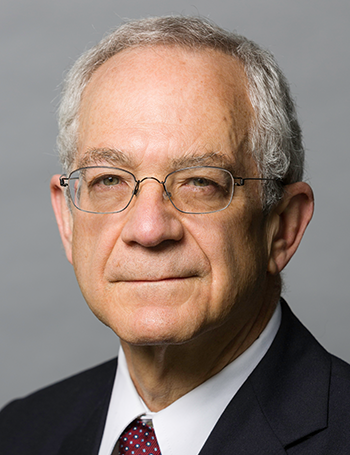
Dr. Robert Yarchoan is a physician-scientist who works at the intersection of immunology, oncology, and virology. He received a B.A. from Amherst College, an M.D. from the University of Pennsylvania. He did a residency in Internal medicine in the U. Of Minnesota and Fellowship in Immunology at the National Cancer Institute (NCI). He played a major role in the development of the first effective therapies for HIV infection, including zidovudine (AZT), didanosine (ddI), and zalcitabine (ddC). He led the first clinical trials of these drugs and was the first to show the clinical activity of zivududine. He was a co-inventor of didanosine and zalcitabine, and led initial studies of combination anti-HIV therapy. Since then, his research has focused more on AIDS-related and virus-induced malignancies, especially tumors caused by Kaposi's sarcoma-associated herpesvirus (KSHV). He has investigated the interactions between KSHV and host cells and has explored the role of hypoxia on regulating KSHV genes and in KSHV oncogenesis. He has also elucidated the pathogenesis of primary effusion lymphoma (PEL) and KSHV-multicentric Castleman disease (KSHV-MCD). He has developed novel and pathogenesis-based therapies for these diseases, including paclitaxel for KS (FDA approved), pomalidomide for KS (FDA approved), virus-activated nucleoside analogs for KSHV-MCD, and rituximab and liposomal doxorubicin for KSHV-MCD. In addition, he first described a new disease caused by KSHV (called KSHV-inflammatory cytokine syndrome, or KICS) and has developed therapy for this condition. Over the years, he has mentored a number of clinicians and basic scientists who have gone on to be leaders in the field in academia, industry, and health science administration. He formed and has been Chief of the NCI intramural HIV and AIDS Malignancy Branch since 1996, In 2007, he formed and has since headed the Office of HIV and AIDS Malignancy in the NCI, which has broad oversight on HIV malignancy and HIV research in the Institute.